Your Guide to the Best Pizza Place Cheyenne for Every Occasion
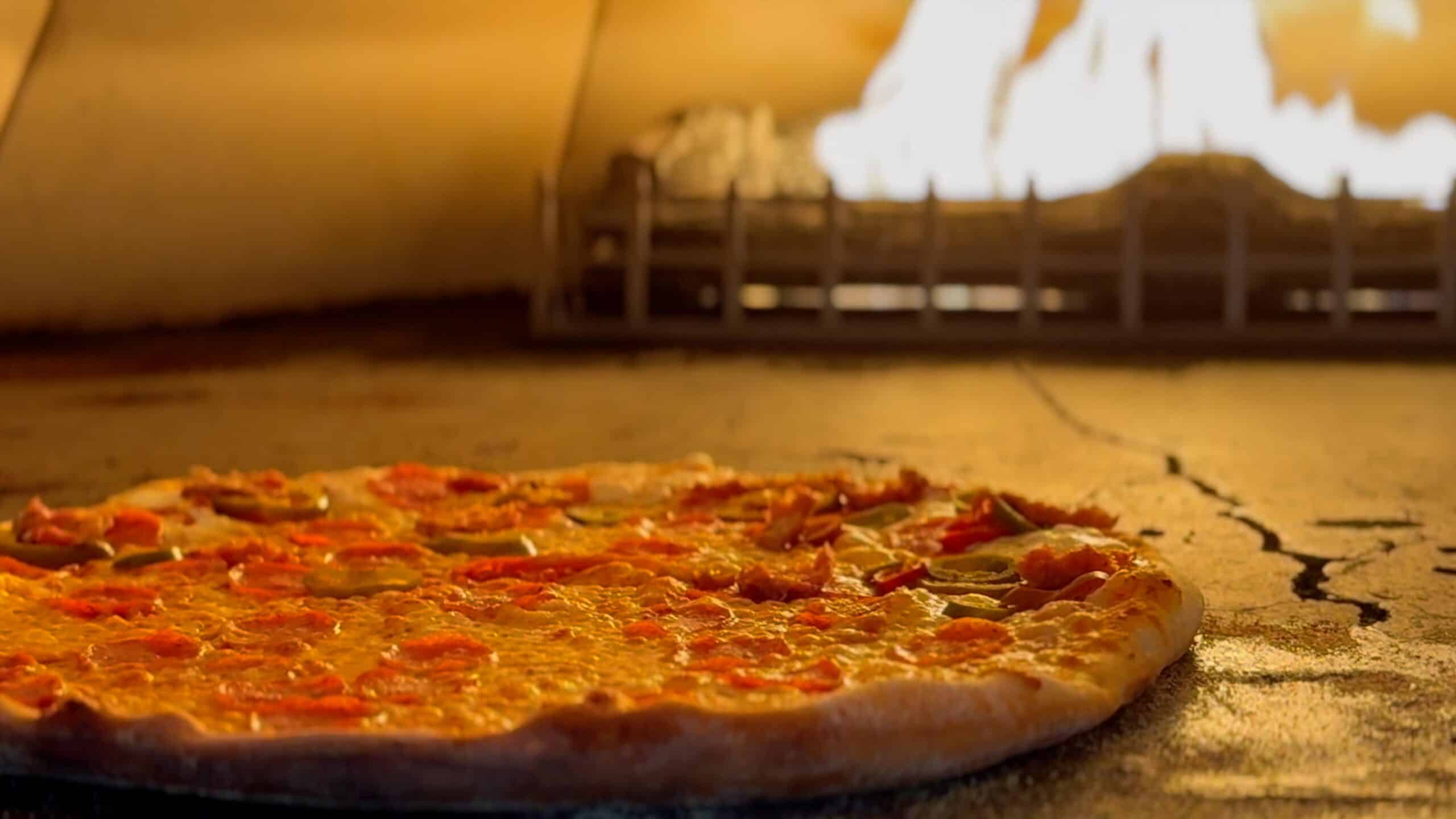
Finding the right pizza place is rarely just about the pizza. It is about timing, company, noise level, parking, how long you want to wait, whether the kids will melt down before the appetizers arrive, and whether the person across the table is going to judge the fact that you ordered extra ranch. In Cheyenne, where people tend to value both substance and comfort, the best choice often depends less on hype and more on fit.
That is why the idea of the single best pizza place Cheyenne has to offer can be a little misleading. A great spot for a Friday family dinner may be pizza place cheyenne the wrong choice for a quick solo lunch. The place that nails late night slices may not be where you want to host your cousin’s graduation dinner. After enough meals in pizzerias of every type, from old-school dining rooms with vinyl booths to compact takeout counters where the box is half the experience, one thing becomes clear: the best pizza place is the one that understands the moment.
This guide is built around that practical reality. Rather than pretending every pizza night has the same needs, it looks at the occasions that actually come up in real life and what matters most for each one.
What makes a pizza place worth returning to
Before matching a restaurant to the occasion, it helps to know what separates a place you try once from a place you keep in rotation. Good pizza matters, obviously, but people often underestimate the rest of the experience.
Crust is usually the first tell. Not whether it is thin or thick, because that is mostly preference, but whether it has texture and structure. A reliable pizza place serves crust that can hold toppings without collapsing, with enough chew to feel satisfying and enough crispness to keep each bite from turning gummy halfway through the slice. Sauce should taste like tomatoes, not just sugar and oregano. Cheese should stretch, brown a little in spots, and support the other ingredients instead of burying them.
After that, consistency becomes the real test. A lot of places can make one great pie on a slow Tuesday. The places people remember are the ones that send out solid pizzas during the dinner rush, on game day, and on the nights when the dining room is full and the phones will not stop ringing. Service counts here too. Friendly servers are nice, but clear communication matters even more. If a kitchen is running 45 minutes behind, a good restaurant says so up front. That honesty buys a lot of goodwill.
Then there is the room itself. Some pizza places are built for lingering. Others are built for getting you fed efficiently and sending you home with leftovers. Neither approach is wrong. The key is knowing which one you need.
For family dinner, look beyond the menu
A family pizza night sounds easy until you are trying to coordinate small children, grandparents, and a table that needs both high chairs and enough elbow room for a teenager who eats half a large by himself. In that setting, the best pizza place Cheyenne families can rely on usually has a few traits in common.
Space matters more than people admit. Tight tables and narrow aisles can turn a simple meal into a logistical headache. A family-friendly pizza place should have a dining room where noise is acceptable, spills do not feel like a public event, and no one seems annoyed when a five-year-old asks for extra napkins three times. Booths help. So do large tables that can fit salads, pizza stands, drinks, and crayons without looking like a battlefield.
Menu flexibility matters too. Families rarely agree on one perfect pie. A place that offers half-and-half topping combinations, a couple of crust options, and at least one simple side can save an argument before it starts. It is also useful when the kitchen can pace the meal sensibly. Garlic bread or a salad arriving quickly can bridge the gap while the main pizzas finish.
The service style should feel relaxed but competent. You do not want fine-dining pacing at a pizza joint, but you also do not want to sit unnoticed with empty glasses while the kids lose patience. In my experience, the best family pizza spots are the ones where staff know how to read a table. They recognize the difference between a family out for a casual weeknight dinner and a group celebrating a birthday with eight children under ten.
For date night, details matter more than volume
Pizza can make a surprisingly good date night meal, especially for people who want something more relaxed than steakhouse formality. But not every pizza place works for that role. For a date, the quality of the room becomes almost as important as the food.
Lighting plays a bigger role than most owners realize. Bright overhead lights and televisions on every wall can flatten the mood quickly. A better date-night pizza place has warmer lighting, music low enough to let you talk normally, and tables spaced far enough apart that your entire conversation does not become community programming.
The food should invite sharing without becoming messy to the point of distraction. A well-made wood-fired pizza, a crisp salad, maybe a starter with some acidity or heat, those work because they keep the meal lively. This is where balance matters. A heavily loaded pie has its place, but date night often benefits from a restaurant that exercises a little restraint. If the ingredients are good, you do not need six meats and a pound of cheese to make an impression.
Drink options can help. That does not necessarily mean a huge bar. Sometimes a short, smart beer list or a few glasses of decent wine is enough. What matters is whether the restaurant understands how adults actually like to eat pizza when the night is supposed to feel intentional rather than purely convenient.
For lunch, speed and slice quality take the lead
Lunch has different rules. Most people do not have 90 minutes to sit down, order leisurely, and wait for a made-to-order pie. At midday, the best pizza place Cheyenne workers or travelers will appreciate is one that respects time without treating lunch like an afterthought.
A strong lunch spot usually does one of two things well. It either serves quality slices that are ready quickly, or it runs a kitchen efficient enough to turn out personal pizzas or small pies without long waits. There is a big difference between a reheated slice that still has life in the crust and one that tastes like cardboard. If a place offers slices, look for signs of turnover. Busy slice cases tend to mean fresher product.
Lunch service is also where small operational habits become obvious. Can you get in and out in 30 to 45 minutes? Is parking reasonably close? Does the staff understand how to handle takeout orders at the same time they are serving dine-in guests? A good lunch pizza place feels streamlined. Not rushed, just organized.
For business lunches, the bar shifts slightly. The room should be calm enough to talk, the tables should not be sticky, and the menu should let different appetites coexist. One person may want a salad and one slice, another may want a full calzone or sandwich. Flexibility helps keep lunch from dragging.
For game day and group gatherings, capacity beats perfection
There are nights when the best pizza is not the most delicate or artisanal. It is the pizza that arrives hot, in enough quantity, and with enough flavor to satisfy a room full of hungry people watching a game or celebrating after an event. Group pizza is its own category.
This is where value, ordering logistics, and kitchen stamina matter. A place that makes beautiful specialty pies one at a time may struggle when you need six large pizzas, breadsticks, wings, drinks, and a reliable pickup time. The best option for groups is often the place with a menu built for scale. That usually means sensible package pricing, crowd-pleasing topping combinations, and a staff that can help you avoid over-ordering in one category while under-ordering in another.
One practical rule helps here: ask the restaurant what they recommend for your group size. Experienced staff often know better than customers how much food actually disappears when ten adults say they are “not that hungry” and then demolish every slice. A trustworthy pizza place will steer you toward enough food without pushing unnecessary extras.
For game-day dining in the restaurant, screens and atmosphere matter. Some people want every television visible from the table. Others want the energy without full sports-bar chaos. There is no universal right answer, but it is worth deciding before you go, especially if the event itself is the main draw.
For takeout night, reliability is king
A lot of pizza is not eaten in the restaurant at all. It is ordered after a long workday, on snowy evenings, or when everyone in the house wants comfort food with minimal effort. In those moments, the best pizza place is the one that can be trusted.
Takeout pizza lives or dies by timing and packaging. If the box traps too much steam, crisp crust becomes soft by the time you get home. If the quoted pickup time is 20 minutes but the actual wait is 45, the whole evening feels off. Good takeout operations are precise. They stagger tickets properly, vent boxes when needed, and separate salads or cold items so they do not wilt beside the hot food.
Cheyenne weather can shape this more than people expect. On cold or windy nights, even a short drive home affects pizza quality. That makes pickup efficiency important. Dedicated parking spots, curbside options, or a pickup shelf near the entrance can turn a frustrating errand into a smooth routine. It is not glamorous, but it is the sort of detail that earns repeat business.
If you are evaluating a pizza place specifically for takeout, focus on whether the food travels well. Some styles do. Others are at their peak for about four minutes after leaving the oven. A thin, lightly topped pizza can be excellent in-house but a little less forgiving by the time it reaches your kitchen table.
Delivery calls for realistic expectations
Delivery is where customers often expect restaurant quality with convenience-store speed, and those expectations can clash. The truth is that even a strong pizza place has limited control once the box leaves the oven. Distance, weather, traffic, apartment access, and order volume all affect the result.
That said, some places are clearly better at delivery than others. They quote honest windows. They use packaging that protects texture. They build pies that can handle a drive without turning limp. If you are ordering delivery for a movie night, a birthday sleepover, or a house full of guests, it pays to pick a place that prioritizes systems over improvisation.
Here are the questions worth asking before you place a larger delivery order:
- How long is the current delivery window, realistically?
- Does the restaurant limit the delivery zone during busy periods?
- Which pizzas hold up best in transit?
- Are sauces, sides, and drinks packed separately and clearly labeled?
- Is there a better value in ordering a bundle or family special?
Those five questions can save you from most common disappointments. They also signal to the staff that you care about getting the order right, which often improves communication.
When you need something for a celebration
Birthday dinners, team wins, graduation nights, and post-performance meals all put unusual stress on a pizza place. Timing matters, group size can shift at the last minute, and someone usually expects the evening to feel a little more festive than a standard meal.
For these occasions, call ahead. That sounds obvious, but many people still assume a pizza restaurant can absorb a surprise group of 15 on a Friday night with no friction. Sometimes they can. Often they cannot, at least not without slower service for everyone involved. A quick call gives the staff time to prepare tables, flag kitchen capacity, and tell you honestly if your requested time works.
Celebration pizza also benefits from menu simplicity. This is not the moment to stress over ten specialty pies with highly individualized toppings. A few balanced choices tend to work better. One cheese, one pepperoni or meat-forward option, one vegetable-focused pizza, then a side or two. People eat more comfortably when they recognize the basics, especially in mixed-age groups.
Dessert matters too, even if the restaurant is not known for it. A simple sweet finish, or at least the option to bring in a cake if the restaurant allows it, can make the meal feel complete.
Late night cravings require a different standard
Late night pizza deserves its own category because the standards shift a little after 9 p.m. People are usually tired, hungry, and less interested in nuance than in satisfaction. The best late-night pizza place Cheyenne diners can find is not necessarily the same one they would choose for a leisurely Saturday dinner.
Availability is the first filter. If a place stays open later, that alone gives it value. But late hours are only useful if the quality holds up. Some kitchens clearly treat late-night orders like an inconvenience, with sparse toppings, undercooked crust, or long unexplained waits. Others seem to hit a second wind and deliver exactly what people hope for at that hour: hot pizza, decisive flavors, and fast service.
This is where bolder styles often shine. A sturdier crust, generous cheese, well-seasoned sauce, and toppings that still taste vivid late in the evening can be deeply satisfying. You do not always need subtlety. Sometimes you need a slice that tastes like someone built it for appetite rather than aesthetics.
Dietary needs are easier to handle when a restaurant is honest
Modern pizza menus often include gluten-free crusts, vegetarian combinations, and dairy-free substitutions. That is helpful, but what matters more is how a restaurant talks about those options. There is a difference between offering a gluten-free crust and being able to explain how it is prepared. For customers with preferences, flexibility may be enough. For customers with allergies or celiac concerns, details matter.
A trustworthy pizza place will answer questions directly. They will tell you if cross-contact is possible, whether separate utensils are used, and which toppings or sauces contain hidden allergens. That kind of transparency builds confidence. It also prevents the awkward situation where a customer discovers too late that “vegetarian” was interpreted loosely or that a specialty crust shares prep space with standard dough.
If you are ordering for a mixed group, call rather than relying entirely on an app menu. Apps are convenient, but they are not always detailed enough for dietary planning. A short conversation can clarify far more than a string of customization notes.
A simple way to match the place to the occasion
If you are trying to decide quickly, this framework helps narrow the field:
- For family dinner, prioritize space, flexibility, and patient service.
- For date night, choose atmosphere, ingredient quality, and a quieter room.
- For lunch, favor speed, slice freshness, and easy parking.
- For groups, look for capacity, value, and clear ordering guidance.
- For takeout or delivery, pick reliability, packaging, and honest timing.
That may sound basic, but it reflects how people actually experience restaurants. Most disappointments happen when expectations and strengths do not line up.
The local factor that people overlook
In a city like Cheyenne, loyalty to a pizza place often grows from repeated ordinary visits, not one dramatic meal. People remember where the staff handled a chaotic team dinner well, where the takeout order was ready during a snowstorm, or where a server brought an extra plate without being asked because they noticed two kids sharing a slice. Those moments do not show up neatly on menus, but they shape reputations.
That is why finding the best pizza place Cheyenne offers is less about chasing a universal ranking and more about paying attention to what a restaurant does consistently. A place can have the most impressive oven in town and still fail the practical test if every pickup runs late. Another place may not be flashy, but if it gets the basics right every time, hot food, fair portions, steady service, welcoming atmosphere, it becomes part of people’s routines.
How to tell you have found your place
There is usually a moment when a pizza place moves from being somewhere you tried to somewhere you trust. It might happen after a server remembers your usual order. It might happen when a manager fixes a small mistake quickly without making it awkward. More often, it happens because the food and the experience match often enough that you stop debating where to go.
That reliability is the real benchmark. Great pizza should still feel generous on a busy night. Service should still feel professional when the dining room is full. A restaurant does not need to be perfect. It needs to know what kind of place it is and deliver on that promise.
For some occasions, that means a lively room, big tables, and a menu built for sharing. For others, it means a quiet booth, a carefully made pie, and just enough time to linger over one more slice. The best pizza place for you in Cheyenne may change from one week to the next, and that is not indecision. It is good judgment.
Once you start choosing pizza places based on the occasion instead of a one-size-fits-all idea of “best,” the decision gets easier. Better too. You eat food that suits the moment, spend money more wisely, and end up with meals that feel less random. And in a city where comfort and quality both matter, that is usually how the truly dependable favorites are found.
Ruffrano's Hell's Kitchen Pizza Cheyenne
Address: 1670 E Cheyenne Mountain Blvd, Colorado Springs, CO 80906
Phone number: +17195764355
FAQ About Pizza Place Cheyenne
What's the most popular pizza place?
The "most popular" pizza place depends on whether you measure by location count, total sales, or customer favorite status.
What is the 2 pizza rule?
The two-pizza rule is a management principle made popular by Amazon founder Jeff Bezos. It states that a team or meeting should never be larger than what can be fed with two large pizzas—typically translating to a group of 5 to 10 people (or roughly 6 to 12 people depending on appetites).
Is 2 pizzas enough for 10 people?
No, 2 pizzas are usually not enough for 10 people.
Ends · TRENTONQWNW467