What to Order at a Pizza Place in Cheyenne for the Full Experience
Cheyenne has pizza place cheyenne a way of sharpening your appetite. The wind can do that. So can a day spent moving between downtown stops, a late youth sports game, a long drive in from the interstate, or an afternoon that starts with one errand and somehow stretches into dinner. At a good pizza place, people rarely want just a pie and a quick exit. They want the version of dinner that feels complete, the kind where the table fills out, everyone steals a bite from everyone else’s plate, and somebody says they are done before reaching for one more slice.
That is what the full experience means at a pizza place in Cheyenne. It is not only about choosing the most loaded specialty pie or ordering the biggest size on the menu. It is about understanding how the meal works together. The best order has contrast. It has something hot and cheesy, something crisp, something with a little acid or heat, and enough variety to keep the second half of the meal as interesting as the first.
If you are standing at the counter or scanning a menu online and wondering what actually gives you that full-table, worth-it kind of meal, the answer is usually a combination rather than a single item. Pizza is the center, of course, but the supporting choices matter more than most people think.
Start with an appetizer that earns its spot
A lot of appetizer menus at pizza places look interchangeable until you have ordered enough of them to know the difference between filler and something people genuinely fight over. The full experience starts with an app that buys time while the pizza bakes, but it should also wake up the table. That means choosing something with texture and a strong first impression.
If the place does garlic knots or house breadsticks well, that is often the smartest opening move. Fresh dough baked hard enough to get color on the outside but still soft in the middle is one of the clearest signs that a kitchen knows what it is doing. Breadsticks sound basic, and that is exactly why they are a useful benchmark. If they arrive hot, with real chew, enough seasoning to notice, and a marinara that tastes like tomatoes rather than sugar, you are off to a good start. If they are limp or forgettable, lower your expectations for the rest of the meal.
Mozzarella sticks can work too, especially if you are dining with kids or with adults who still order like kids in the best possible way. The catch is that they should be crisp and properly melted, not split open and leaking oil across the basket. Fried appetizers are hard to fake. Either they land at the table fresh from the fryer and disappear immediately, or they sit there exposing every timing mistake the kitchen made.
For a more balanced table, wings often make more sense than people expect at a pizza place in Cheyenne. Pizza is heavy in a comforting way. Wings add intensity. A good buffalo sauce cuts through cheese and bread. A dry rub with garlic, black pepper, or a little cayenne adds a savory edge that keeps your palate awake. If your group tends to order rich pizzas, wings are not a side show. They are the thing that stops the meal from becoming one long note.
The main mistake people make here is over-ordering apps and flattening their appetite before the pizza arrives. One appetizer for two or three people is usually enough. For four to six diners, two well-chosen starters can set the table without exhausting it.
The pizza itself should show range, not just abundance
When people say they want the full experience, they often gravitate toward the heaviest specialty pizza on the menu. There is a place for that, especially in a city where a hearty meal fits the mood half the year. But one overloaded pizza does not always make for the best table. It can turn every slice into the same bite repeated six or eight times.
A better approach is to think in terms of contrast. One pie should satisfy the classic craving, and the other should show a little personality. That usually means pairing a dependable favorite with something more distinctive.
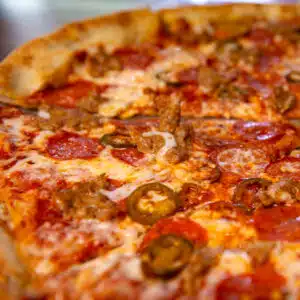
A straight pepperoni pizza remains popular for a reason. It tests the fundamentals. You learn whether the crust can support grease without going soft, whether the cheese browns properly, whether the sauce has enough acidity to keep the pie lively, and whether the kitchen uses pepperoni that cups and crisps or just lies flat and oily. On the right crust, pepperoni is not boring at all. It is the standard that reveals everything else.
Then add a second pizza that stretches beyond the obvious. Depending on the menu, that could mean a house specialty with sausage, peppers, onions, and mushrooms, or something with roasted garlic, ricotta, jalapeños, or a white sauce base. If the restaurant has a pie that regulars mention by name, that is usually the one to try. House specialties tell you more about the kitchen’s point of view than a build-your-own pizza ever will.
In Cheyenne, where diners often appreciate generous portions and bold flavors, meat-heavy combinations are common crowd-pleasers. Sausage and pepperoni together are hard to argue with. Canadian bacon with pineapple has its loyal following for good reason, especially when the sweetness is restrained and the crust has enough char to keep the whole thing from tipping sugary. A supreme-style pizza can be excellent if the vegetables are cooked properly and do not release too much water onto the cheese. The risk with big combination pies is balance. Too many toppings and the center goes slack. Too few and you feel like you paid for possibilities rather than actual substance.
Crust matters more than toppings when the goal is a full experience. Thin crust gives you better contrast if you are ordering rich starters and a side salad. Pan or thicker hand-tossed crust feels more complete on a cold evening or when dinner is standing in for both lunch and supper. If the place offers multiple crust styles, ask yourself how hungry the table really is and how much else you are ordering. A thick crust pizza with wings and breadsticks can become a challenge rather than a pleasure. A thinner crust pie lets the whole menu breathe.
Sauce choices separate a memorable order from a routine one
Most customers pay attention to toppings and ignore sauces, but sauces often decide whether a meal tastes thoughtful or generic. Red sauce is the foundation at most pizza places, and that is where many kitchens either show care or cut corners. A good red sauce should taste like tomatoes first, not only sweetness, oregano, or garlic powder. It should support cheese, not disappear under it.
If the menu offers a white pizza or an alfredo-based pie, treat it as a situational choice rather than an automatic upgrade. White sauces can be rich and satisfying, especially with chicken, spinach, or bacon, but they demand restraint elsewhere in the order. If you start with mozzarella sticks, follow with a heavy white-sauce pizza, and add ranch to every plate, the meal can lose definition fast. It becomes creamy in every direction.
Barbecue chicken pizzas and buffalo chicken pizzas can be good choices when you want the meal to feel a little less predictable. The challenge is sweetness and salt. Too much barbecue sauce and every slice tastes like bottled glaze. Buffalo sauce usually holds up better across multiple slices because it has acid and heat, though it still needs enough cheese to round out the edges.
Dipping sauces deserve the same scrutiny. Ranch is popular at any pizza place in Cheyenne, and for some tables it might as well be required. There is nothing wrong with that, but the best use of ranch is selective. It helps with crusts and spicier slices. It should not drown the pizza. Garlic butter can elevate breadsticks and plain crust edges, but it can also make an already rich meal feel heavy halfway through. Marinara is the most underrated dip on the menu. It adds brightness, especially if you ordered a lot of cheese-forward items.
Do not skip the salad if you want the meal to feel complete
People who dismiss the salad at a pizza place usually think of it as an obligation, the thing one person at the table orders to feel responsible. In practice, the right salad can be the difference between a meal that feels one-dimensional and one that keeps its momentum.
A crisp house salad with romaine, onions, tomatoes, black olives, maybe a little cucumber and shredded cheese, does more work than it gets credit for. The raw crunch resets your palate. The acid in the dressing cuts through melted cheese. Even a few bites between slices make the second half of the meal taste fresher than the first.
Caesar salad can be a strong pick if the kitchen keeps it cold and uses enough dressing to coat rather than soak. It pairs especially well with simpler pizzas like cheese, margherita-style pies, or pepperoni. An antipasto-style salad, if the restaurant offers one, often gives you a preview of the same salty-satisfying notes you are getting from the pizza, but in a lighter, sharper form.
The only caution here is dressing. Creamy dressings plus a heavy pizza and fried starter can tip the meal toward excess. Italian or vinaigrette-style dressings usually create better balance. If the table is already leaning rich, this is the place to pull it back a little.
Drinks matter more than people admit
At a casual pizza dinner, drinks often become an afterthought. That is a mistake. Pizza is salty. Cheese is rich. Sauce has acid. Spicy toppings linger. What you drink affects not just refreshment, but how well the meal holds together.
Soft drinks are the classic pairing for a reason. Their sweetness and carbonation pizza place cheyenne cut through grease and reset the palate. Iced tea does similar work with a little more restraint. Lemonade can be great with pepperoni or sausage because the citrus notes lift the heavier flavors.
If the restaurant serves beer, pizza and beer remain one of the most forgiving pairings in casual dining. A crisp lager works with almost everything. An amber ale can stand up to sausage, bacon, and roasted vegetables. The one trap is ordering a very sweet or heavy beer with an already rich pizza. You want contrast, not duplication.
Water on the table is not glamorous advice, but it is practical advice. In dry climates, and especially after a day outdoors, a meal heavy on dough, cheese, and salt lands better when people are actually hydrated. That might sound obvious until you are halfway through a large pizza wondering why the last two slices feel like work.
If you are dining with a group, order for the table, not for yourself
Some of the worst pizza orders happen when every person chooses only according to individual preference. One person wants meat lovers, another wants veggie, a third wants wings, somebody adds cheese bread, and suddenly the table is packed with food that does not relate to itself. Quantity is not the same thing as experience.
A better group order has a little internal logic. If you have four people, think in categories. One classic pizza, one house specialty, one starter, one salad, and drinks that keep everyone refreshed. That spread gives you different textures and flavors without creating chaos. People still get variety, but the meal feels designed rather than assembled by committee.
It also helps to consider who actually eats what. Kids tend to go hard for cheese pizza, pepperoni, and breadsticks. Adults say they want to branch out, but most still reach first for familiar slices when they are hungry. If you order one adventurous pie, make sure the other is universally appealing. There is a reason plain cheese and pepperoni stay on menus. They save the table from mismatched expectations.
One small but useful rule is to avoid repeating the same flavor profile across every item. If your appetizer is buffalo wings, maybe skip the buffalo chicken pizza. If you order garlic knots, maybe choose a pizza that is brighter and less allium-heavy. If the specialty pie is loaded with sausage and bacon, the salad should be sharp and crisp rather than creamy and indulgent.
The case for trying the house specialty
Many diners play it safe on their first visit, and there is logic in that. If a restaurant cannot make a strong pepperoni pizza, nothing more elaborate will save it. But once you have covered the basics, the house specialty is often the item that gives you the truest sense of a place.
A specialty pizza shows the kitchen’s confidence. It reveals whether the staff understands balance, whether they know when to stop adding toppings, and whether their flavor combinations come from actual customer demand or from a wish to sound inventive on a menu. The best house pizzas usually have one clear idea behind them. Maybe it is a meat-forward pie with just enough onion and pepper to cut through richness. Maybe it is a white pizza built around roasted garlic and spinach. Maybe it is a spicy combination with jalapeños, sausage, and a drizzle added after baking.
When a specialty works, it does something a custom pizza rarely does. It tastes intentional. Every element has a reason to be there. If you want the full experience at a pizza place in Cheyenne, trying that signature pie is often the difference between having dinner and understanding why locals come back.
Dessert is optional, but it can finish the night properly
Pizza places do not always shine at dessert, and that is fine. Not every meal needs a sweet ending. But if the menu offers a warm dessert that clearly belongs in the space, it is worth considering, especially if you are with family or a group that likes to linger.
Cinnamon sticks, dessert pizza, or a warm cookie skillet tend to make more sense than anything trying to look too polished. Pizza restaurants are at their best when dessert feels shareable and relaxed. A few bites of something sweet and warm can round off the salt and spice of the meal nicely.
The caveat is simple. If the main order was heavy, dessert should be modest. One shared item is plenty for a table that already worked through pizza, salad, and appetizers. If the meal was lighter, maybe a thin crust pie and salad for two, dessert can play a larger role. Good ordering is not about always getting more. It is about knowing when enough has become exactly right.
What a strong order actually looks like
For two people, the full experience often means a starter, one medium pizza with a distinct point of view, and either a side salad or a drink pairing that keeps the meal balanced. Think breadsticks and a half-pepperoni, half-house-specialty pie, or wings with a thinner crust pizza and a simple salad. That gives you variety without leaving the table buried in leftovers.
For a family or a group of four, the sweet spot is usually two pizzas rather than one oversized pie. One should be familiar, one should be more expressive. Add either wings or breadsticks, plus a salad if the table appreciates one. At that size, the meal starts to feel generous and complete. It also creates enough choice that everyone feels looked after without the order getting sloppy.
For larger groups, the challenge is avoiding too much sameness. It is tempting to order all meat-heavy pies because they seem safer, but a spread improves when one pizza brings heat, one leans classic, and one introduces vegetables or a different sauce. Variety makes the meal feel more abundant than sheer volume does.
The order that usually gets it right
If someone asked me for the safest path to the full experience, I would steer them toward a balanced, middle-of-the-menu order. Start with either good breadsticks or wings, depending on whether the group wants comfort or spice. Order one classic pizza, usually pepperoni or sausage, because the basics should always be represented. Add one signature or specialty pie, because that is where the restaurant gets to say something about itself. Bring in a simple salad to keep the meal moving and fresh. Choose drinks that cleanse the palate instead of stacking on more richness.
That formula works because it respects how people actually eat. The first bites need to be satisfying. The middle of the meal needs contrast. The last slice should still taste as good as the first. At a pizza place in Cheyenne, where appetites are real and casual meals often turn into long conversations, that balance matters more than chasing the most toppings or the largest possible order.
The best pizza dinners are rarely the flashiest ones. They are the ones where the crust stays crisp, the toppings make sense, the appetizer disappears quickly, and the table still has enough energy for one more slice. That is the full experience, and it starts with ordering like the whole meal matters, not just the pizza at the center of it.
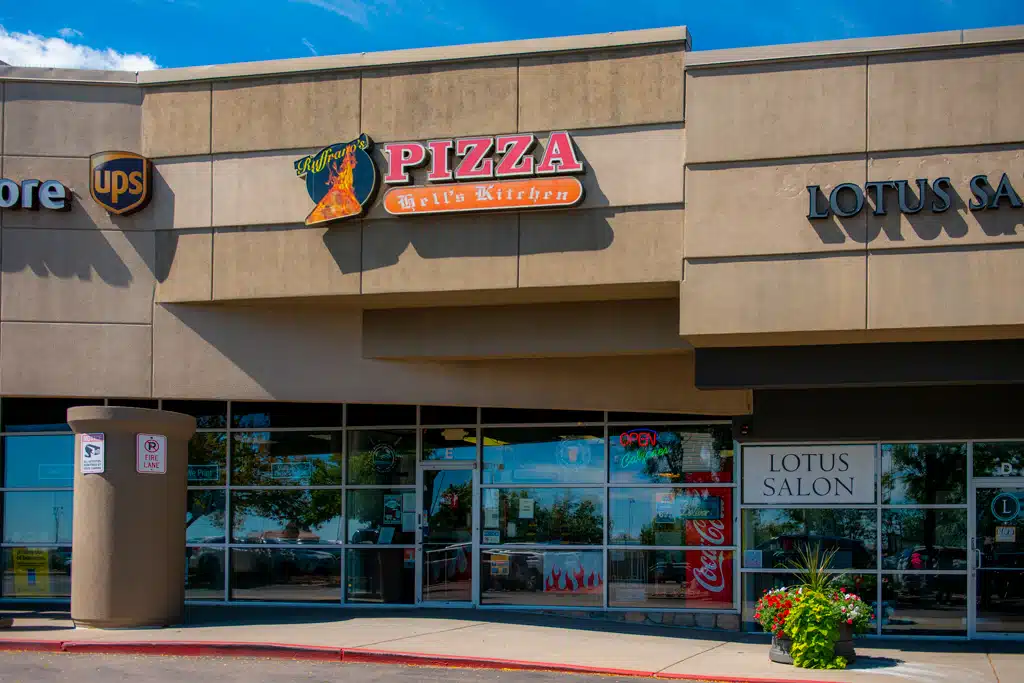
Ruffrano's Hell's Kitchen Pizza Cheyenne
Address: 1670 E Cheyenne Mountain Blvd, Colorado Springs, CO 80906
Phone number: +17195764355
FAQ About Pizza Place Cheyenne
What's the most popular pizza place?
The "most popular" pizza place depends on whether you measure by location count, total sales, or customer favorite status.
What is the 2 pizza rule?
The two-pizza rule is a management principle made popular by Amazon founder Jeff Bezos. It states that a team or meeting should never be larger than what can be fed with two large pizzas—typically translating to a group of 5 to 10 people (or roughly 6 to 12 people depending on appetites).
Is 2 pizzas enough for 10 people?
No, 2 pizzas are usually not enough for 10 people.
Ends · TRENTONQWNW467